Black Mold Removal in Gulfport, MS
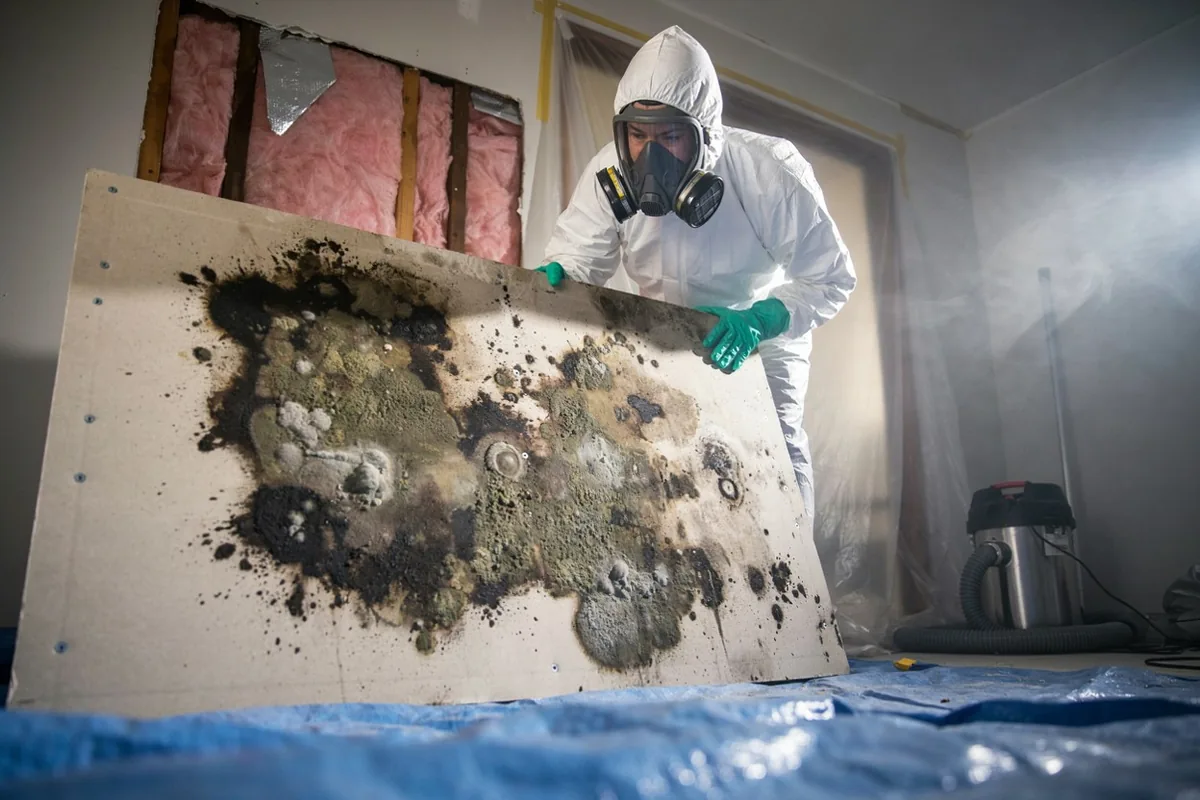
The patch is dark, almost greenish-black, and a little slick when you touch it. It’s on the ceiling drywall under the upstairs bathroom, or along the bottom of a wall that took water in a storm, or on the back of a cabinet where a line dripped for months. You searched the words “black mold” and got a page full of fear. Here is the calmer version. Call and tell us what you see. We remove dark mold in Gulfport and along the western Mississippi coast the same way we remove any other kind.
What CDC actually says
CDC says it doesn’t matter what kind of mold it is — all mold should be treated the same way and removed. It also says the reported link between the species people call black mold and severe illness in infants has not been proven. What CDC does say is that damp and moldy homes may cause a stuffy nose, sore throat, coughing, wheezing, burning eyes, or skin rash, or none of those, depending on the person. The color tells you it’s been wet a long time. It doesn’t tell you anything the removal needs to know.
Dark patch, same job
- A dark patch usually means constant moisture over a long time — a slow leak, not a one-day spill.
- Dark growth on drywall or ceiling tile is in the material, and the material comes out.
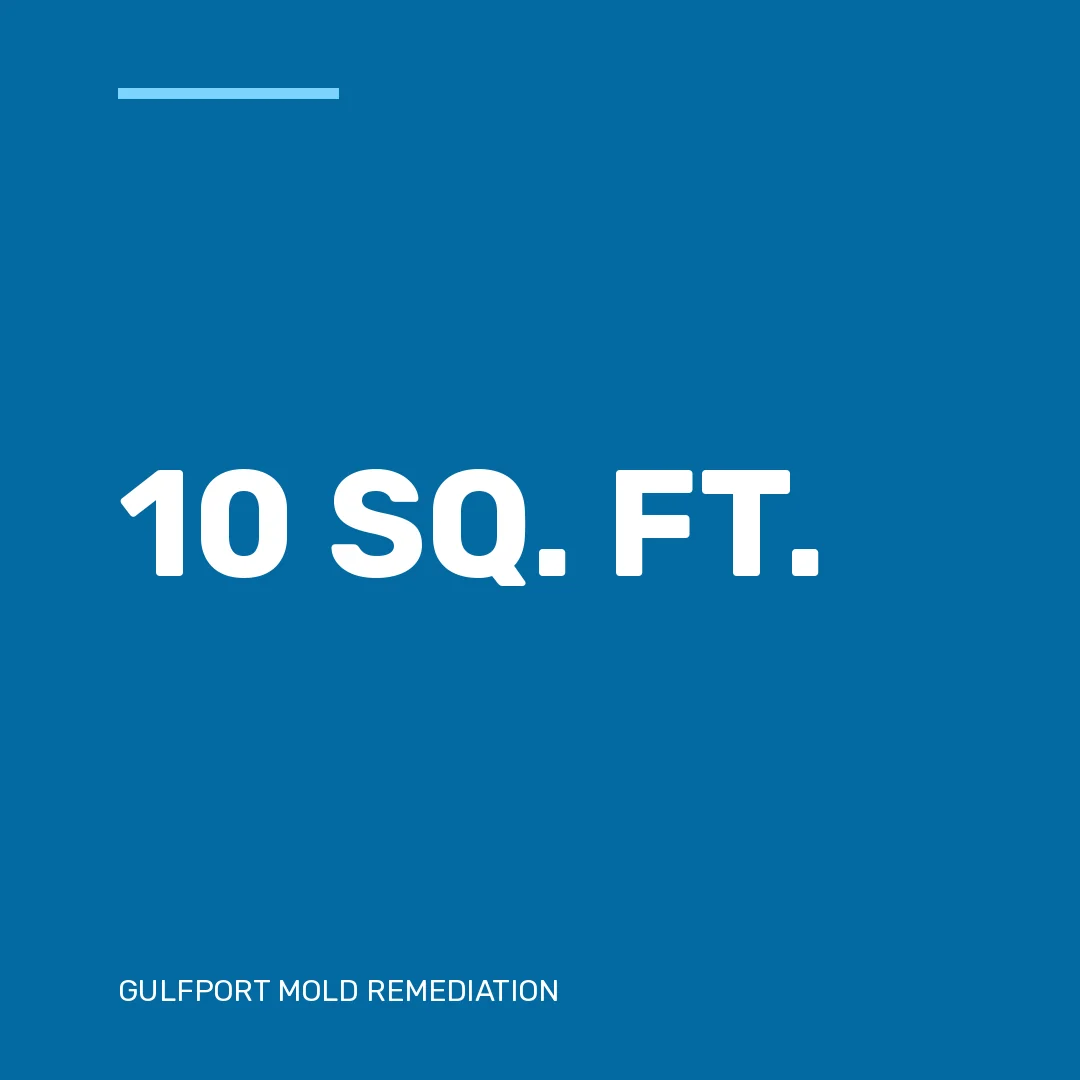
- EPA’s line for professional help is about ten square feet, and a dark patch on drywall is a removal job at any size.
- Disturbing a contaminated wall without sealing the room sends spores through the rest of the house.
Tell Us What You See, 24/7
What the work looks like
The room gets sealed and put under negative pressure before anyone touches the patch. The drywall, ceiling tile, or paper-faced insulation carrying the growth comes out and is bagged inside the containment. The framing behind it gets cleaned where it stands, HEPA-vacuumed, and wiped, and it dries before anything is closed back up. Then we tell you where the water was coming from and what has to change for the work to hold, because a dark patch that had months of moisture will have it again if nothing changes.
Gulfport notes
The dark patches we see on this coast are usually long, slow water: a shower pan that’s been seeping into a slab house in Orange Grove for a year, a window that leaks in every north wind in an older house in West Gulfport, a raised beach house whose duct has been sweating onto the subfloor since the AC was installed. If the patch is dark, it’s been fed for a while. Don’t wait for “bad enough.”